Exhibition Booth Customs in Italy: What Global Brands Must Know
- Echo Expo Team
- July 20, 2025
Mastering Italian Exhibition Etiquette: Culture, Design, and Business Success
The Italian exhibition etiquette floor is not just about displays—it is about culture, charisma, and conversation. To succeed at Italian trade shows, brands must understand local customs as much as stand design. In fact, success in Italy often depends on diplomacy, presentation, and personal connection.
First of all, warmth always wins. The Italian exhibition etiquette place high value on relationships and trust. Therefore, avoid jumping straight into a sales pitch. Begin with a friendly greeting such as “Buongiorno” and take time to build rapport. This small gesture can set the tone for productive conversations.
Secondly, punctuality paired with flexibility is essential. While you should always arrive early and be well-prepared, it is common for meetings to start later than scheduled. As a result, building buffer time into your agenda helps reduce stress and keeps discussions relaxed.
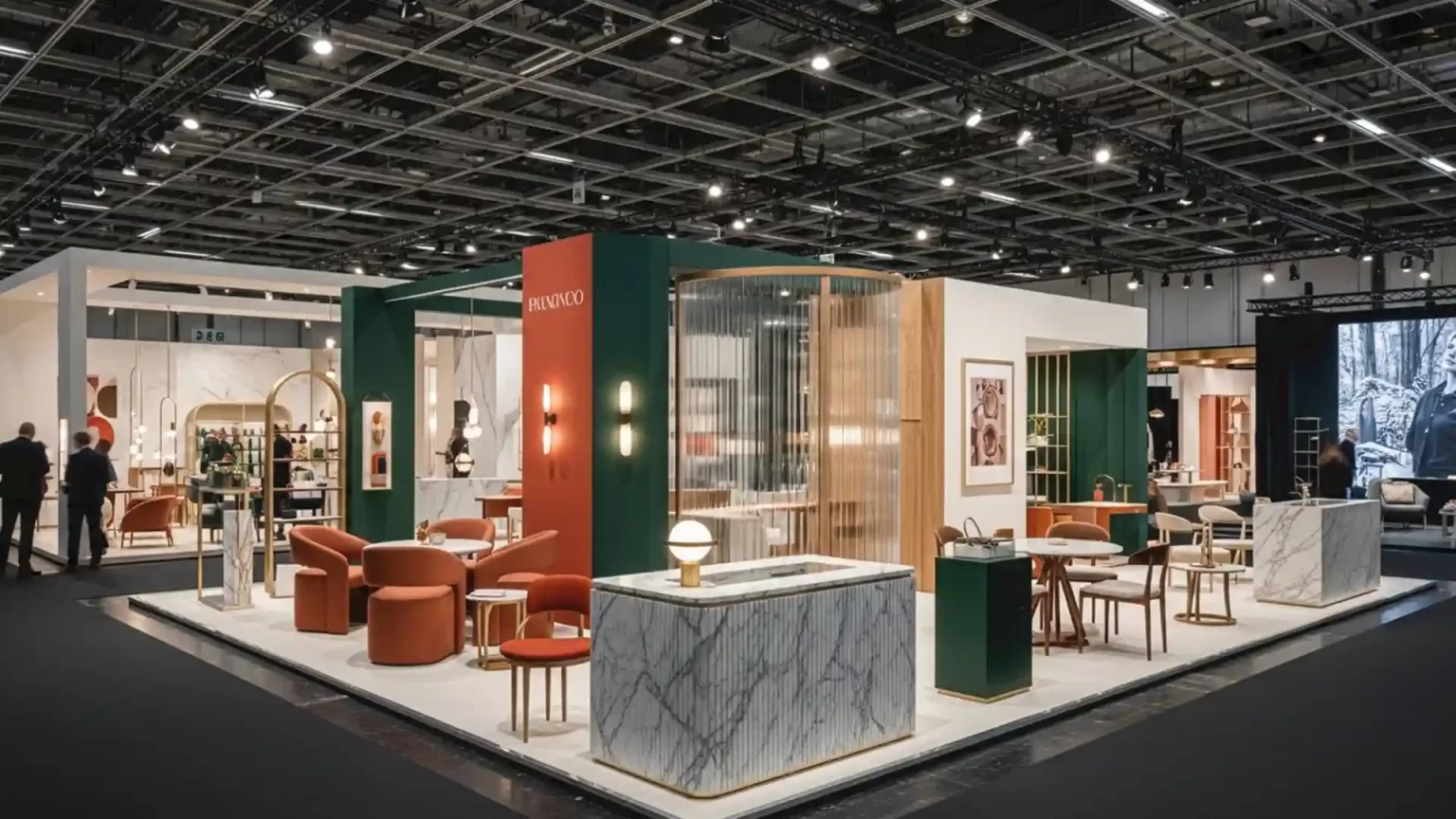
Moreover, presentation equals prestige in Italy. Your exhibition stand acts as your business card. Clean layouts, refined lighting, premium materials, and thoughtful typography reflect professionalism and attention to detail. Italians notice everything. Consequently, even small design choices influence how your brand is perceived.
In addition to Italian exhibition etiquette, hard selling should be avoided. Italian buyers prefer storytelling over pressure. Share your brand journey, highlight craftsmanship, and demonstrate product quality. At the same time, listen carefully and engage in meaningful dialogue. This approach builds trust and long-term interest.
However, there are also things to avoid. Overly aggressive sales tactics, cluttered stand layouts, and ignoring lunch hours can leave a negative impression. Italians take breaks seriously, and respecting local rhythms shows cultural awareness.
The Echo Expo Advantage to the Italian exhibition etiquette
Echo Expo understands the balance between local elegance and global brand standards. Our bilingual project managers ensure your stand communicates effectively—both visually and culturally. In conclusion, partnering with Echo Expo helps your brand speak the right language in every sense on Italy’s exhibition floor.
Practical etiquette from our Italian builds
Culture shows on the stand as much as in the conversation. These are habits we see work for clients at Italian shows, from Milan to Bologna and Verona.
- Greet first, sell later. A handshake, names and a coffee offer set the tone. A small espresso or water point on the stand is noticed and appreciated.
- Seat your best visitors. Distributors and buyers expect to sit down. Plan a table away from the aisle, even on a small stand.
- Dress the stand like your brand. Clean finishes, good light and no clutter. Hide boxes, bags and cables in a closed store.
- Respect the rhythm. Mornings are busy; lunch is real. Keep someone on the stand, but do not book key meetings at 13:00.
- Follow up quickly and personally. A short, named email after the show matters more than a long brochure.
Italian shows we have built at
- Jaipur Rugs, 100 sqm at Salone del Mobile, Fiera Milano
- CPHI Milan 2026: nine projects in six halls
- EICMA, Milan
- FIORE, 24 m² at MIDO, Fieramilano Rho
- Three years at Cosmoprof Worldwide Bologna
- Marmomac stands at Veronafiere
Planning your first Italian show? Read how to prepare for Fiera Milano, see Italian-inspired booth design and our exhibition stands in Italy page.
Frequently asked questions
Should stand graphics be in Italian at an Italian show?
For international shows like Salone del Mobile, CPHI Milan or EICMA, English works for most visitors. Add Italian for key messages if you sell to Italian distributors or retailers, and have printed material in both languages.
When should I plan an autumn show in Italy?
Before the summer break. Much of Italy slows down around Ferragosto in mid-August, so approvals, printing and supplier confirmations for September and October shows are best settled by late July.
Do I need a local contractor for paperwork in Italy?
Your contractor must provide the safety documents Italian fairs ask for, such as the DUVRI framework at Fiera Milano. We prepare our own contractor documents and work from our Italian base in Besnate, north of Milan.
Let Echo Expo be your cultural compass and creative force in Italy.
OTHER ARTICLES
Recent POSTS